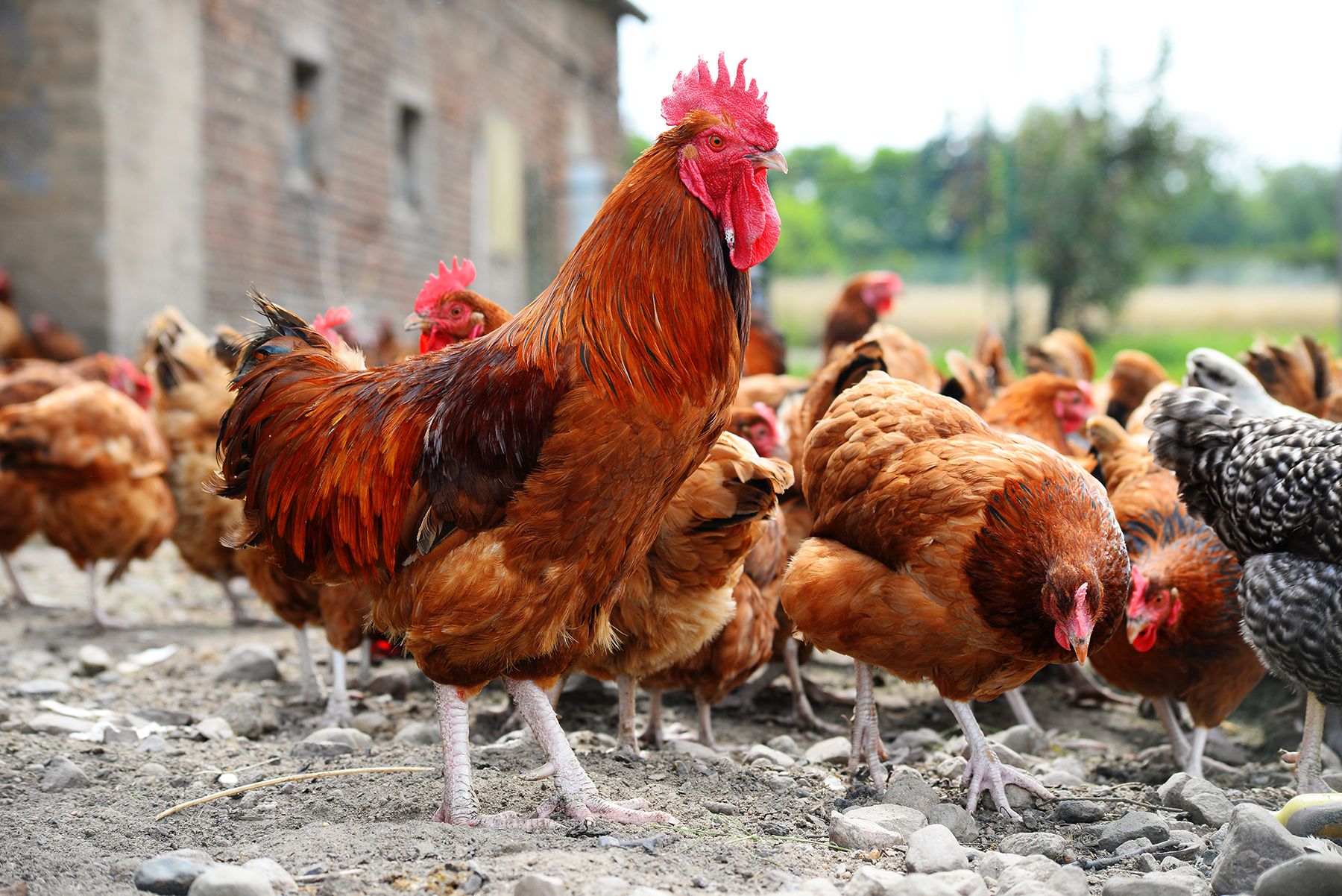
Raising Buff Orpington Chickens for Australian Backyards
The Buff Orpington is a heritage breed prized for golden-buff plumage, docile nature, and reliable egg laying. Originally developed in England, this dual-purpose chicken has become a fixture in suburban coops across Australia. Its calm temperament suits families and first-time keepers alike.
Across Sydney, Melbourne, and Brisbane, more households are discovering the rewards of a small backyard flock. Buff Orpingtons handle attention from children and adapt to climates from Hobart through to Cairns. They supply a steady stream of brown eggs and dress out as a substantial table bird.
This guide covers breed history, sourcing stock, housing, feeding, health care, egg laying, and showing. A few practical tips will help avoid common mistakes and enjoy a thriving flock from your first week.
The Heritage Behind the Breed
The Buff Orpington was created in the 1880s by William Cook of Orpington, Kent, from Minorcas, Langshans, and Plymouth Rocks. Its loose feathering and broad body give a recognisable rounded silhouette that remains unchanged today.
When the breed reached Australia in the early twentieth century, it found favour on country homesteads for its foraging ability and forgiving nature. Strains kept around Adelaide and Perth still reflect that hardy, working-farm heritage.
Today the breed is supported by conservation work through organisations such as the Rare Breeds Trust of Australia. Keeping Buff Orpingtons helps maintain genetic diversity and connects new keepers to a long poultry tradition.
Sourcing Healthy Stock
Vigorous birds are the first real priority for newcomers. Premium hatcheries offer vaccinated day-old chicks and point-of-lay pullets from tested breeding flocks, reducing the risk of Marek's disease or respiratory infections entering an existing flock.
Local poultry auctions, agricultural shows, and breeder directories are good starting points in regional towns around Toowoomba, Ballarat, or Launceston. Inspect any bird before purchase: bright eyes, clean vents, smooth legs, and well-preened feathers all signal good health.
Before adding waterfowl to a mixed-property setup, many keepers also browse juvenile ducks for sale alongside chicken orders to round out the home flock with a calm, productive species.
Coop Design for Australian Climates
Australian conditions vary dramatically, so housing must balance warmth, shade, and ventilation. In Brisbane and Perth summers, an enclosed run with deep shade cloth keeps birds cool, while raised floors reduce dampness during heavy wet-season rains.
A standard coop should provide around 0.4 square metres of indoor space per bird and 1 square metre of outdoor run. Nesting boxes about 30 centimetres square suit the larger hens, and perches placed 45 centimetres off the floor prevent bullying.
Solid construction matters too. Foxes roam outer suburbs from Canberra to Geelong, so welded wire, secure latches, and buried mesh skirts are essential. Many Sydney keepers install autodose drinkers to keep the coop hygienic during summer heatwaves.
Feeding for Growth and Egg Production
Buff Orpingtons eat well and tend toward lazy roosting without careful rationing. A quality layer pellet from eighteen weeks supports steady egg laying, while growers need a higher-protein crumble for feather and frame development.
Free-ranging birds around Bendigo or the Adelaide Hills pick up grass, insects, and grit, adding variety to the diet. Offer shell grit in a separate hopper so laying hens self-regulate their calcium intake throughout the year.
Avoid mouldy grain and salty kitchen scraps. Clean, cool water is critical during summer runs above thirty-five degrees. Frozen watermelon and dampened pellets keep birds comfortable when temperatures soar.
Health, Parasites, and Local Regulations
Common ailments include scaly leg mite, intestinal worms, and respiratory infections. Regular worming with products approved by the Australian Pesticides and Veterinary Medicines Authority keeps parasites under control. Quarantine new birds for at least two weeks before introducing them to the main flock.
Council regulations differ across states. Brisbane and most NSW councils prohibit roosters in residential zones, while rural shires around Mildura and Warrnambool generally allow them within flock limits. Always check local bylaws before committing to a breeding setup.
Perth keepers should also note declared bird movement restrictions during avian influenza outbreaks, which can pause sale days and shows. Registering your property with the relevant state department is compulsory in several jurisdictions and helps authorities trace flocks when needed.
Eggs, Broodiness, and Natural Rearing
Pullets typically start laying around twenty weeks, producing lightly tinted brown eggs averaging 55 grams. Steady production continues for two to three years before tapering. Many keepers gather eggs daily to discourage broodiness, though some hens will insist on sitting.
A broody Buff Orpington makes a reliable mother and will hatch chicks without intervention. Provide a secluded nest box, fresh water, and chick starter crumb once the hatch begins. Broody hens teach chicks to forage and roost, easing the work for the keeper.
When hens leave the laying rotation, replacement pullets can be sourced seasonally through breeders or online hatcheries. Spring orders fill fastest on the eastern seaboard where new keepers begin their flocks at the start of the warm season.
Buff Orpington vs Common Backyard Breeds
| Trait | Buff Orpington | ISA Brown | Sussex |
|---|---|---|---|
| Adult weight (hen) | 3.5 kg | 2.0 kg | 3.2 kg |
| Egg colour | Light brown | Brown | Tinted |
| Eggs per year | 180 | 300 | 250 |
| Broodiness | Frequent | Rare | Occasional |
| Temperament | Very docile | Active | Calm |
| Heat tolerance | Moderate | Good | Moderate |
| Cold tolerance | Excellent | Moderate | Good |
Showing at the Sydney Royal Easter Show or state poultry events rewards keepers who maintain breed-standard weights, feather colour, and comb type. Many regional agricultural shows include Buff Orpington classes, offering newcomers a gentle introduction to the exhibition side of the hobby.
Start your flock today with Premium Poultry Breeds, which supplies healthy Buff Orpington chicks, fertile hatching eggs, and a wide range of quality poultry delivered safely to every corner of Australia.